What matters in the process
In a combined process, a centrifuge may reduce the bulk solids load before a membrane stage. This does not guarantee that fouling is eliminated: fine particles, colloids, soluble components and biological activity may remain relevant. Conversely, specifying a membrane to do all bulk-solids handling can create a different cleaning and concentrate-management burden.
A practical example
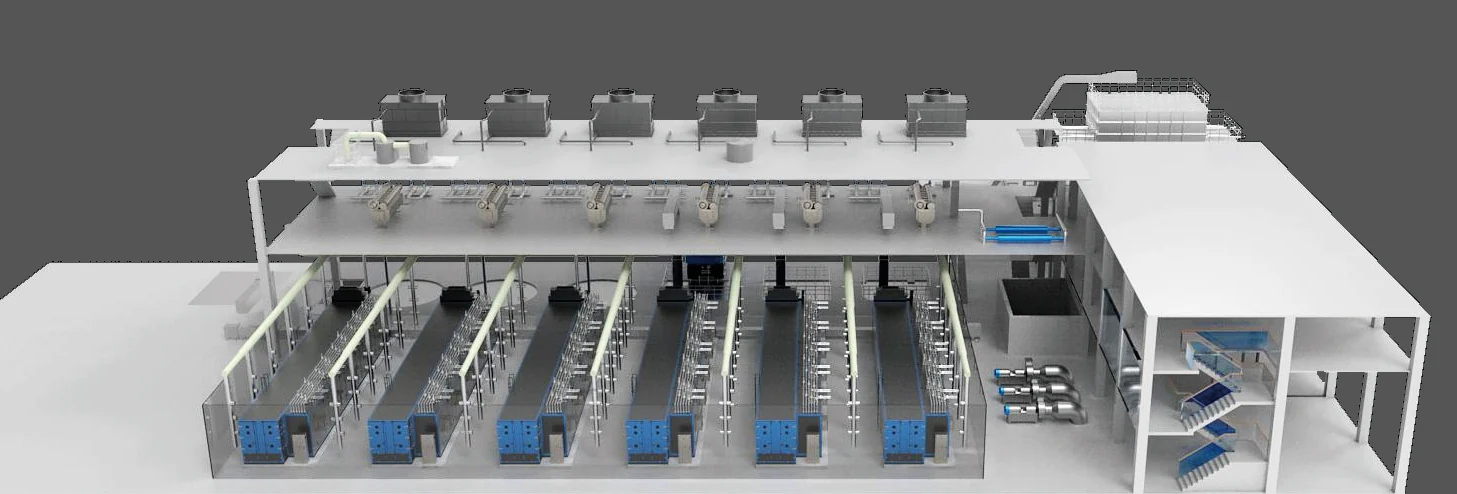
For an illustrative recycle-water project, first establish the required suspended-solids, organic and dissolved-ion limits. A decanter might address a concentrated solids stream, while another stage addresses the remaining water-quality target. Each stage needs a defined feed and outlet balance so the concentrate or cake disposal route is not overlooked.
What to check or specify
- Separate suspended and dissolved contaminants in the analysis.
- Identify water-reuse quality requirements.
- Quantify solids and concentrate disposal streams.
- Evaluate fouling, cleaning and upstream variability.
Turn the result into a decision
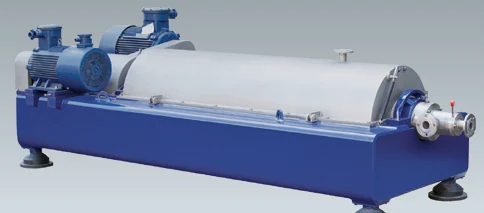
Request a complete separation concept when the water-quality target exceeds what mechanical solid-liquid separation alone can achieve. HUADA centrifuges can be evaluated as one part of that concept. Do not promise dissolved-contaminant removal from a centrifuge without a demonstrated phase-change or other treatment step.
Equipment context: supplied HUADA English catalogue, PDF pages 43–47, 56–59. Numerical examples are illustrative calculations. Application guidance must be confirmed for the actual material and selected equipment.