What matters in the process
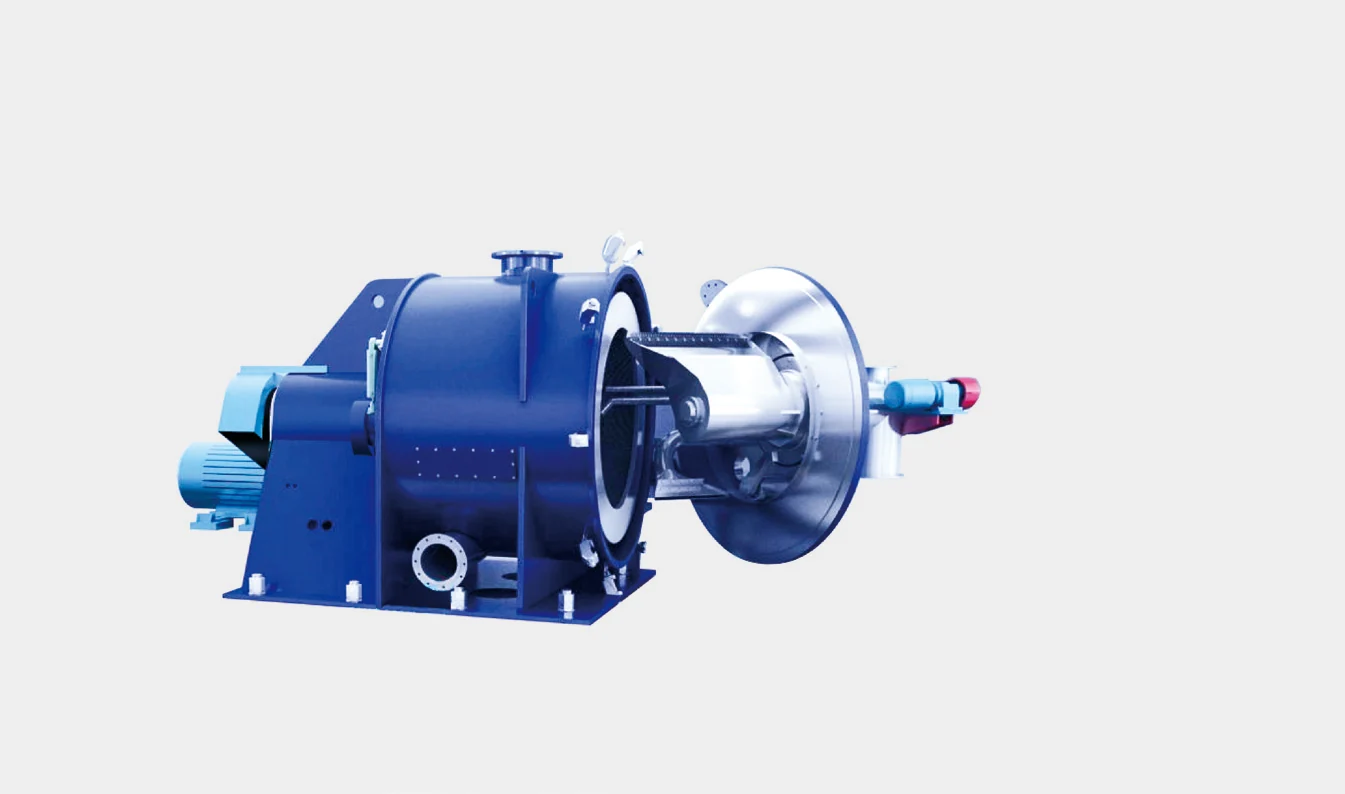
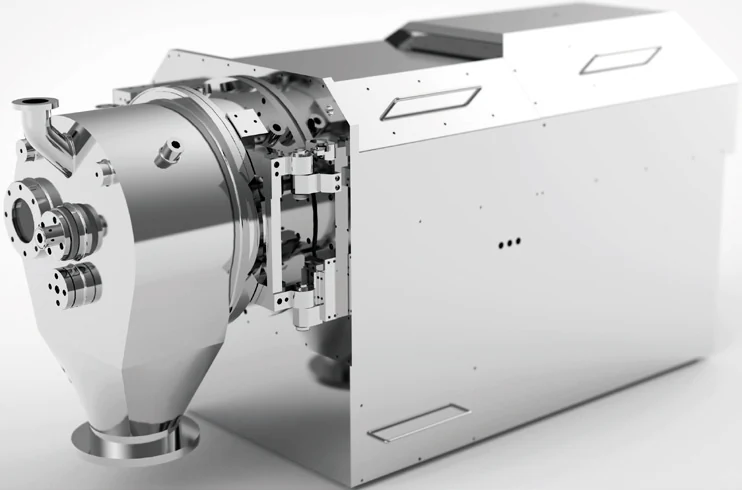
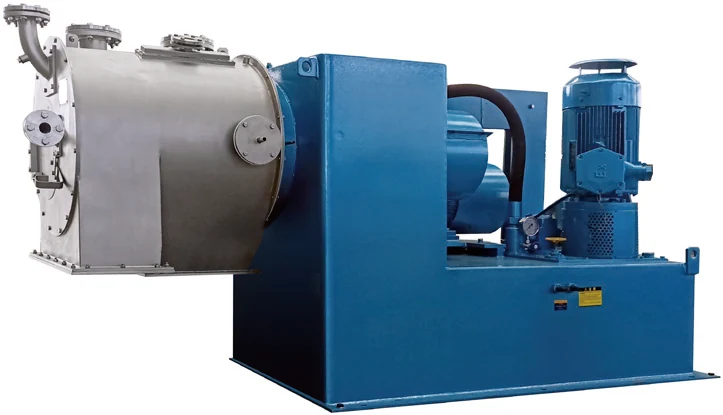
Fragility depends on crystal shape, strength, size distribution and the surrounding liquid. Scraping, pushing and screw conveying apply different mechanical actions. FW cloth inversion offers an alternative to scraper discharge, but feeding and collection still need assessment. Fines generated during handling can change filtration resistance and product appearance as well as reduce the value of larger crystals.
A practical example
Compare particle-size distributions at the feed tank, centrifuge inlet and final collected product. If most damage occurs across the feed pump, changing the centrifuge may not solve the issue. If the fines rise during discharge, evaluate that stage separately with representative cake and a realistic receiving arrangement.
What to check or specify
- Define acceptable change in size distribution.
- Sample at several points in the handling route.
- Measure fines in both product and liquid streams.
- Evaluate washing, moisture and breakage together.
Turn the result into a decision
Ask for a trial that includes the proposed discharge system and conveyor. State whether the commercial objective is product yield, preservation of a size fraction or reduced dust. Compare the equipment on that objective rather than relying on an unqualified claim of zero particle damage.
Equipment context: supplied HUADA English catalogue, PDF pages 23–35, 49–52. Numerical examples are illustrative calculations. Application guidance must be confirmed for the actual material and selected equipment.