What matters in the process
Review sludge settling, thickening, gas release and changes during storage. The feeding arrangement must avoid large concentration swings and provide the required controllability. Pump selection, suction conditions, screening or maceration and instrument placement affect how well the centrifuge receives a stable feed. Long storage may change the sludge properties rather than simply smooth them.
A practical example
A centrifuge operating eight hours per day may receive sludge generated throughout the day. The buffer requirement depends on generation rate, dewatering capacity and the allowed operating schedule. A simple average flow can conceal peak storage or dry-solids loads. Calculate the inventory over a representative operating cycle.
What to check or specify
- Provide sludge generation and dewatering schedules.
- State concentration changes and storage behaviour.
- Define required mixing and pump turndown.
- Review tank level, flow and concentration measurement.
Turn the result into a decision
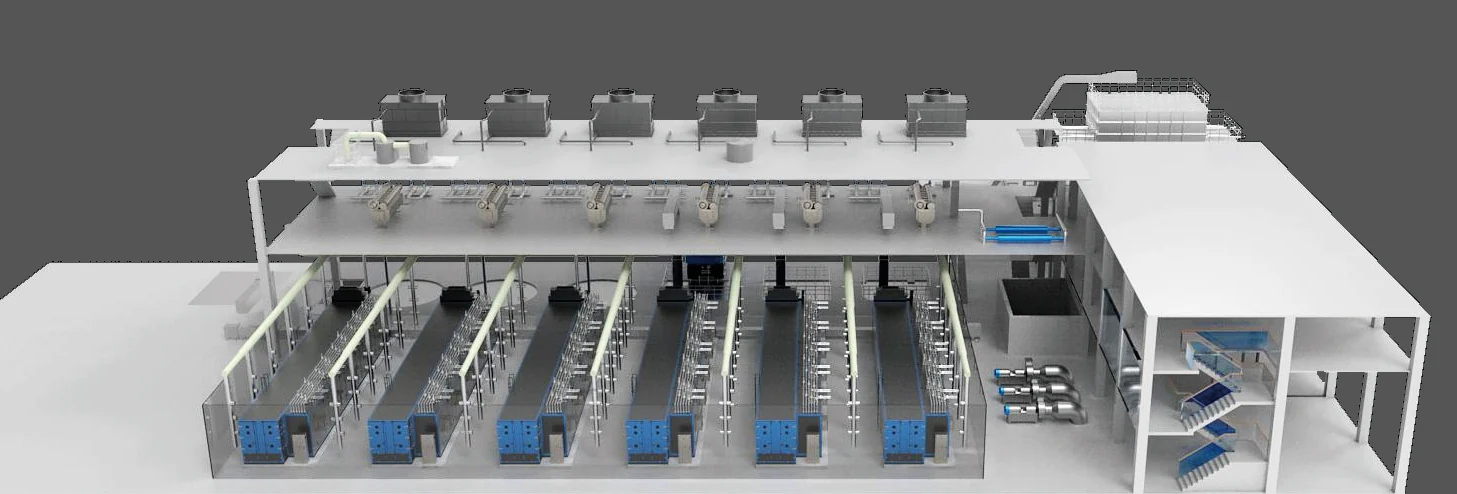
Ask for a system mass balance and operating sequence covering storage, feed pumping, conditioning and dewatering. Use the selected centrifuge’s proven operating range to set the interface requirements. Confirm that the tank and pumps support that range rather than relying on operator intervention to manage every upset.
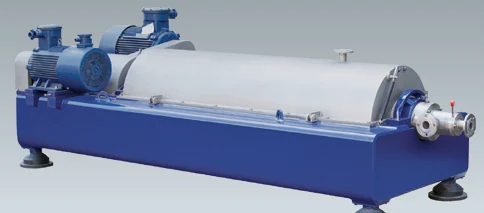
Equipment context: supplied HUADA English catalogue, PDF pages 56–59. Numerical examples are illustrative calculations. Application guidance must be confirmed for the actual material and selected equipment.