What matters in the process
If feed mass is F, feed dry-solids fraction is x and capture is c, captured dry solids are F × x × c. At cake dry-solids fraction y, wet cake is F × x × c ÷ y. The remaining mass exits in the liquid only if no other streams have been added or removed. Polymer solution, wash water and cleaning water may need separate entries.
A practical example
For 10,000 kg/h feed at 2 wt% dry solids, 95% capture gives 190 kg/h captured dry solids. At 20 wt% cake dry solids, wet cake is 950 kg/h. The simplified centrate stream is 9,050 kg/h and contains the remaining 10 kg/h of dry solids. These are illustrative calculations, not a machine performance claim.
What to check or specify
- Use mass fractions rather than mixing volume and mass percentages.
- Account for polymer solution and other added liquids.
- Check both solids and total-mass closure.
- Use samples taken over matching time intervals.
Turn the result into a decision
The engineering-tools page includes this simplified calculation. Use measured density if converting from m³/h and verify the balance before selecting pumps, conveyors or drying equipment. A closed balance makes comparisons between suppliers and operating conditions much more reliable.
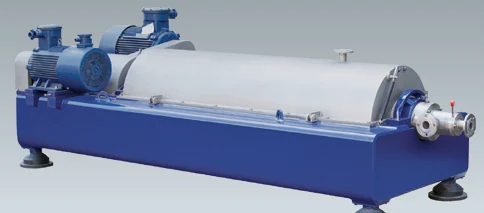
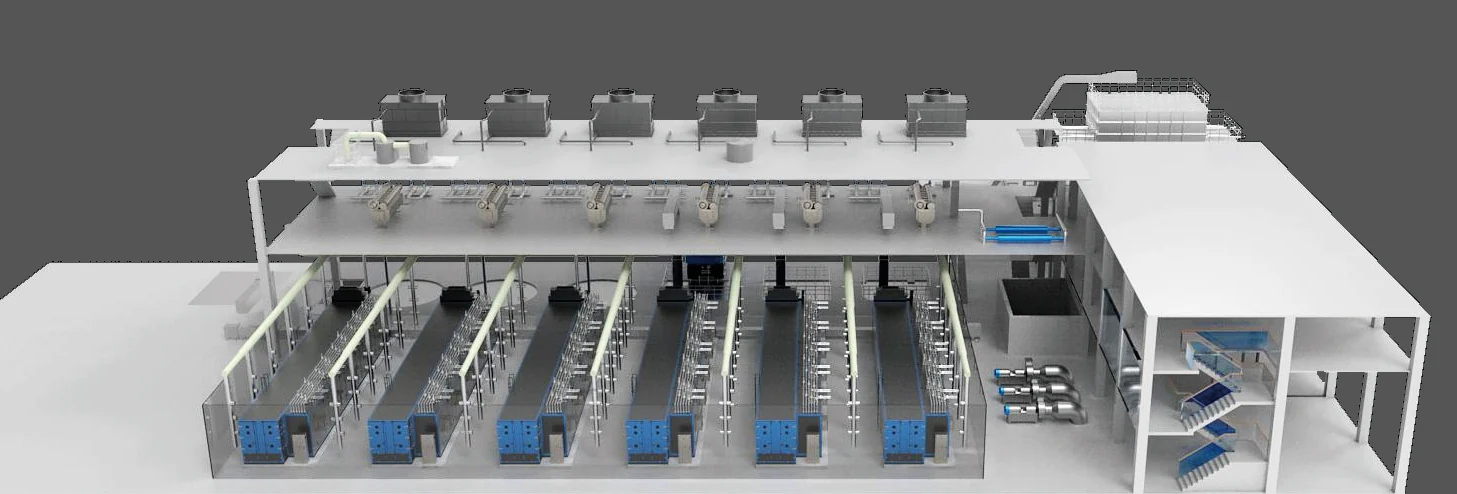
Equipment context: supplied HUADA English catalogue, PDF pages 56–59. Numerical examples are illustrative calculations. Application guidance must be confirmed for the actual material and selected equipment.