What matters in the process
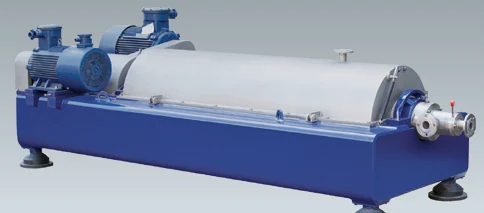
Changing the liquid level can alter the volume available for clarification and the length of exposed beach over which solids travel before discharge. The resulting balance depends on settling, compression, drainage and back-mixing. Different discharge arrangements and weir systems require the exact machine documentation; adjustment procedures should not be inferred from another model.
A practical example
A duty with a strict suspended-solids limit may favour one operating window, while a disposal contract based on wet cake mass may favour another. Compare both outputs at each test condition. Improving one number while worsening solids losses or loading the return-water system may increase total plant cost.
What to check or specify
- Define clarity and cake targets together.
- Document the actual pond-setting reference.
- Keep feed and sampling periods comparable.
- Check any change against the supplier’s permitted range.
Turn the result into a decision
Request a trial matrix that records pond configuration, feed, torque, speed and both outlet qualities. For a three-phase machine, liquid-interface control adds another requirement. Treat the selected setting as part of the agreed design basis rather than a generic value transferable to all decanters.
Equipment context: supplied HUADA English catalogue, PDF pages 43–47, 56. Numerical examples are illustrative calculations. Application guidance must be confirmed for the actual material and selected equipment.