What matters in the process
A stable, free-draining crystal bed can support continuous filtration, while high fines or demanding washing may lead to a different route. Mother-liquor chemistry governs contact-material and seal selection. Temperature shifts can change solubility, create deposits or alter the crystal-size distribution. The receiving conveyor must accommodate the actual wet product rather than an assumed free-flowing dry solid.
A practical example
For an illustrative soluble salt, washing with a large amount of liquid may improve purity while dissolving valuable product. A trial should therefore quantify recovered dry solids and dissolved solids in the wash filtrate, as well as cake purity. The best result balances quality, yield, cycle or residence time and downstream load.
What to check or specify
- Name the salt and supply a mother-liquor analysis.
- Describe fines, crystal shape and breakage sensitivity.
- Specify wash-liquid composition and quality objectives.
- Assess corrosion and deposits at operating temperature.
Turn the result into a decision
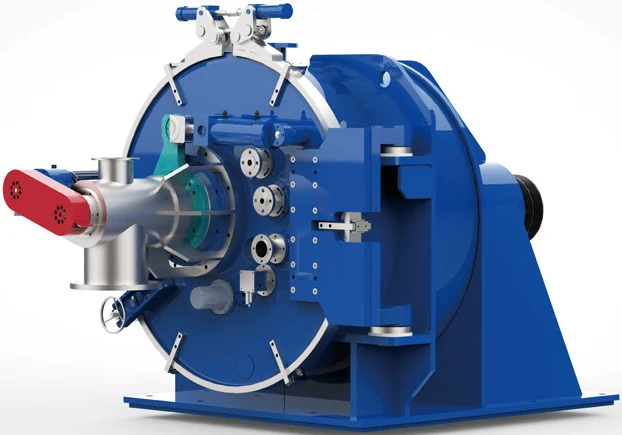
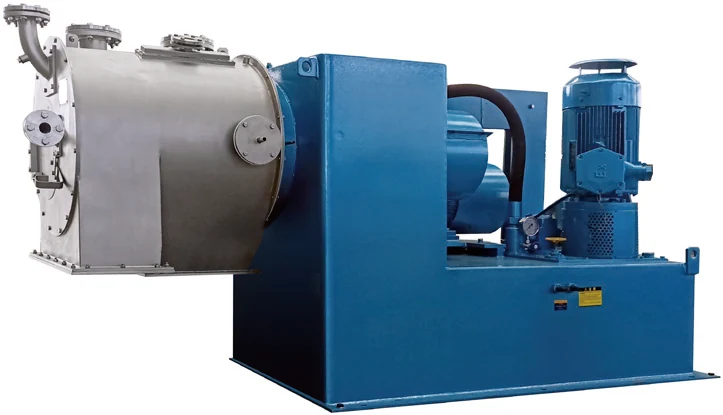
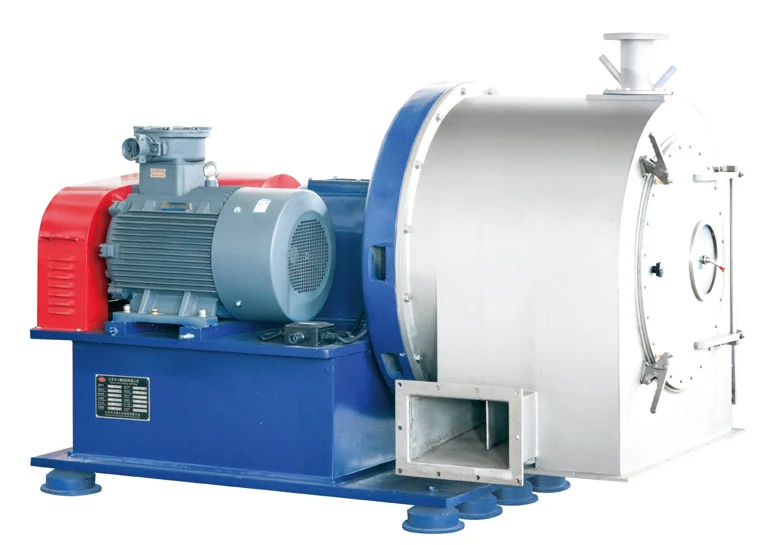
Compare HR, LLW and applicable basket families using the same feed sample and quality targets. Require a clearly defined feed envelope and material balance. Avoid adopting model capacity from a different salt without evidence that the filtration, conveying and corrosion conditions are comparable.
Equipment context: supplied HUADA English catalogue, PDF pages 31–40. Numerical examples are illustrative calculations. Application guidance must be confirmed for the actual material and selected equipment.