What matters in the process
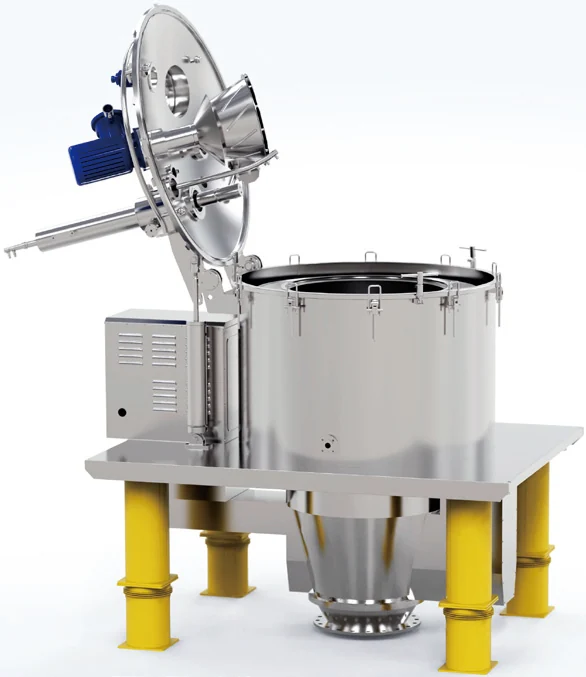
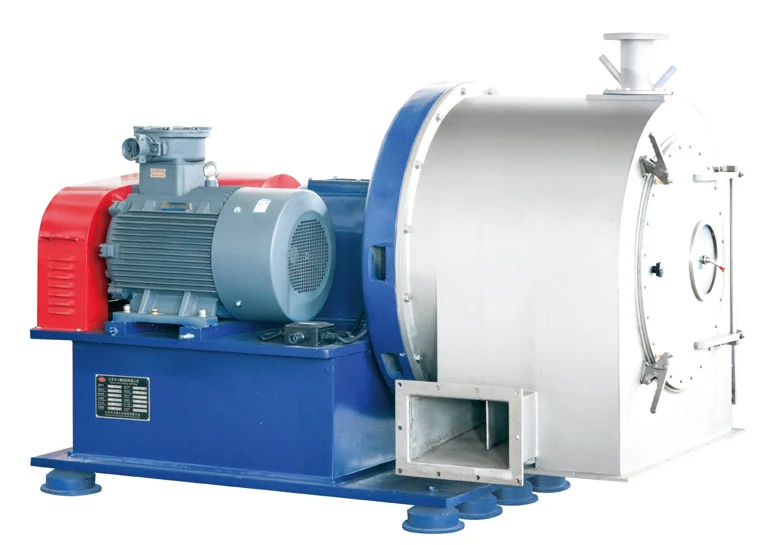
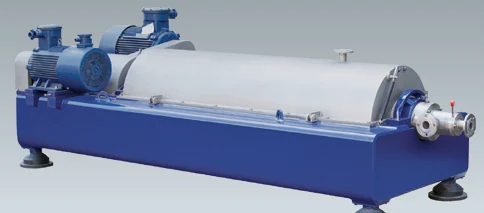
For filter machines, inspect the relationship between initial filtrate, cake formation and later filtration. Cloth fit, damage, bypass paths and fines can matter. For sedimentation machines, check particle behaviour, flow, solids load and conditioning alongside bowl and scroll records. Sampling contamination or an analytical-method change can also create an apparent equipment problem.
A practical example
If clarity worsens after an upstream product change, compare particle size and viscosity before changing settings. If a batch machine is cloudy only during the first feed interval, separate that result from the established-cake phase. The correct response depends on whether the process permits recirculation or requires every outlet interval to meet the same specification.
What to check or specify
- Confirm the test method and sampling point.
- Compare feed and machine records over the same period.
- Inspect filtering parts only under the approved safe procedure.
- Identify startup, steady-state and cleaning-related events separately.
Turn the result into a decision
Provide trend data, samples and the original performance basis when requesting support. Correct the demonstrated cause and verify both liquid and solid outputs afterwards. Avoid masking a capture problem by reporting only improved cake dryness or a lower feed rate without explaining the trade-off.
Equipment context: supplied HUADA English catalogue, PDF pages 23–47. Numerical examples are illustrative calculations. Application guidance must be confirmed for the actual material and selected equipment.