What matters in the process
Solids capture describes the fraction of incoming dry solids retained in the cake. The remaining solids leave with the liquid and may recirculate. Dissolved species are not necessarily removed by centrifugation, so their load must be assessed separately. Flow and concentration should both be measured; a lower concentration caused by dilution does not automatically mean a lower pollutant mass load.
A practical example
At 200 kg/h feed dry solids, 95% capture leaves 10 kg/h in the liquid, while 90% capture leaves 20 kg/h. That difference can double the suspended-solids return even if the cake appears drier. Added dilution water may change the sampled concentration without reducing the returned mass.
What to check or specify
- Measure centrate flow and relevant concentrations.
- Calculate mass load rather than concentration alone.
- Separate suspended solids from dissolved constituents.
- Assess the destination and capacity of the return system.
Turn the result into a decision
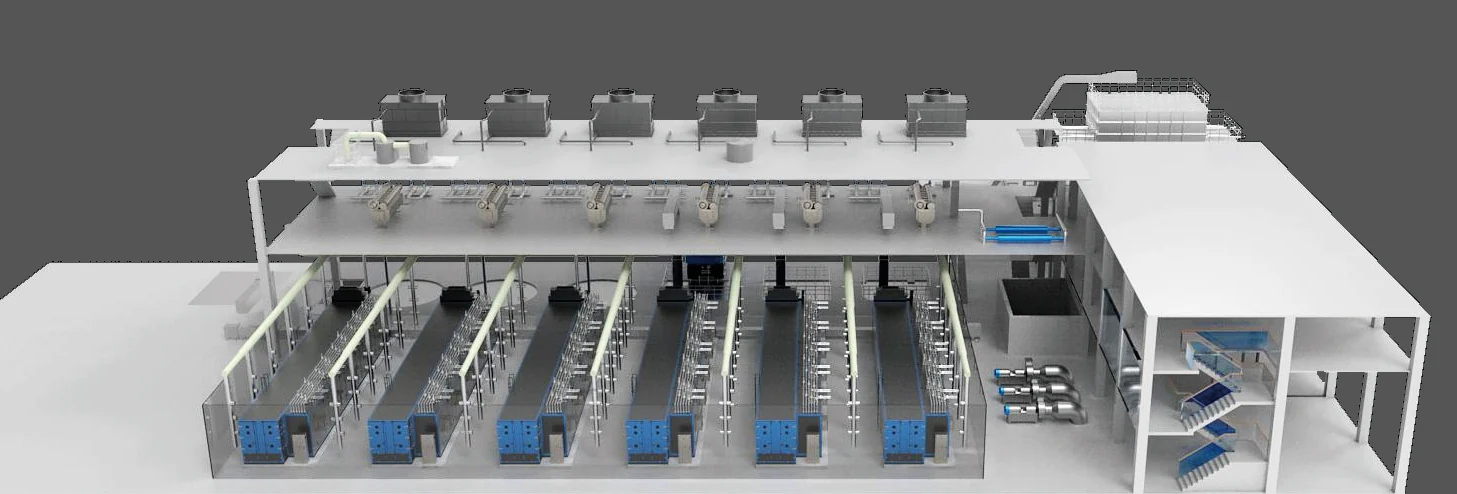
Include centrate quality in the acceptance criteria and operating-cost review. Coordinate the centrifuge operating window with the treatment process owner. If a separate liquid-treatment step is needed, identify it in the overall system scope rather than promising the centrifuge will remove dissolved contaminants.
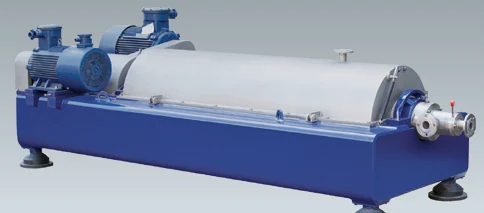
Equipment context: supplied HUADA English catalogue, PDF pages 56–59. Numerical examples are illustrative calculations. Application guidance must be confirmed for the actual material and selected equipment.