What matters in the process
At a fixed dry-solids rate, calculate incoming wet cake from its dry-solids fraction and compare it with the final dried-product mass. The difference is the water to be removed, assuming no other changes. Do not confuse evaporation capacity with wet-sludge treatment capacity. Both figures require inlet and outlet moisture conditions.
A practical example
For an illustrative 1,000 kg/h of dry solids, 20% dry-solids cake contains 4,000 kg/h of water. At 25% dry solids, it contains 3,000 kg/h. Raising the mechanical cake concentration therefore reduces the incoming water by 1,000 kg/h at the same captured solids. The actual energy benefit must be calculated from the selected drying system.
What to check or specify
- Fix the dry-solids throughput and capture basis.
- Specify inlet and final moisture on wet basis.
- Calculate evaporation duty separately from feed capacity.
- Include heat sources, condensate and downstream handling.
Turn the result into a decision
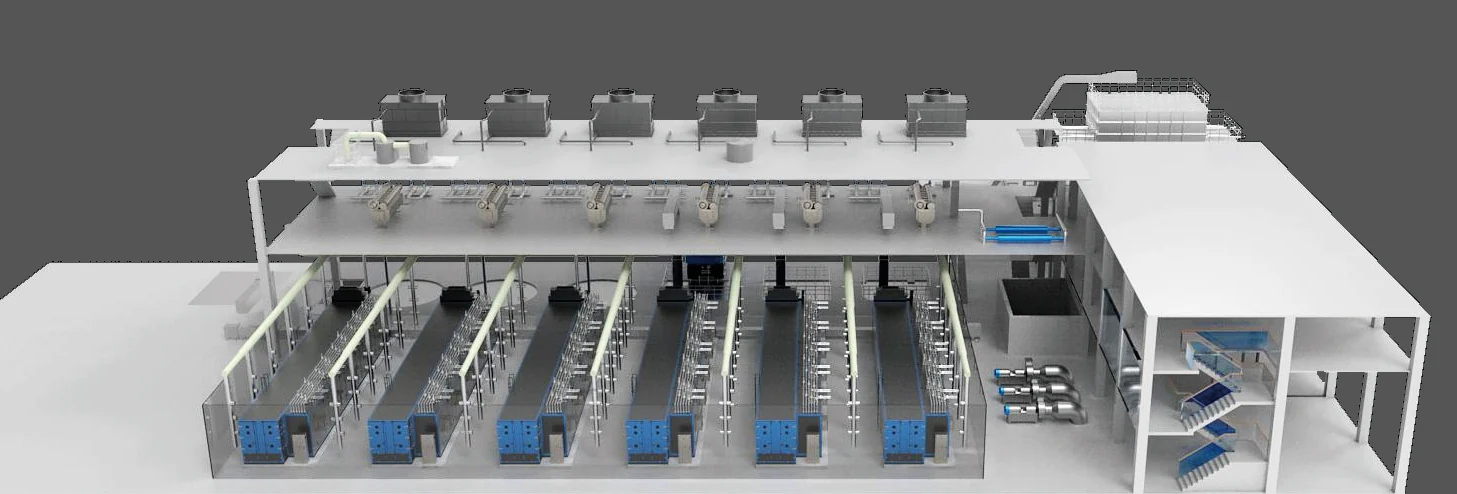
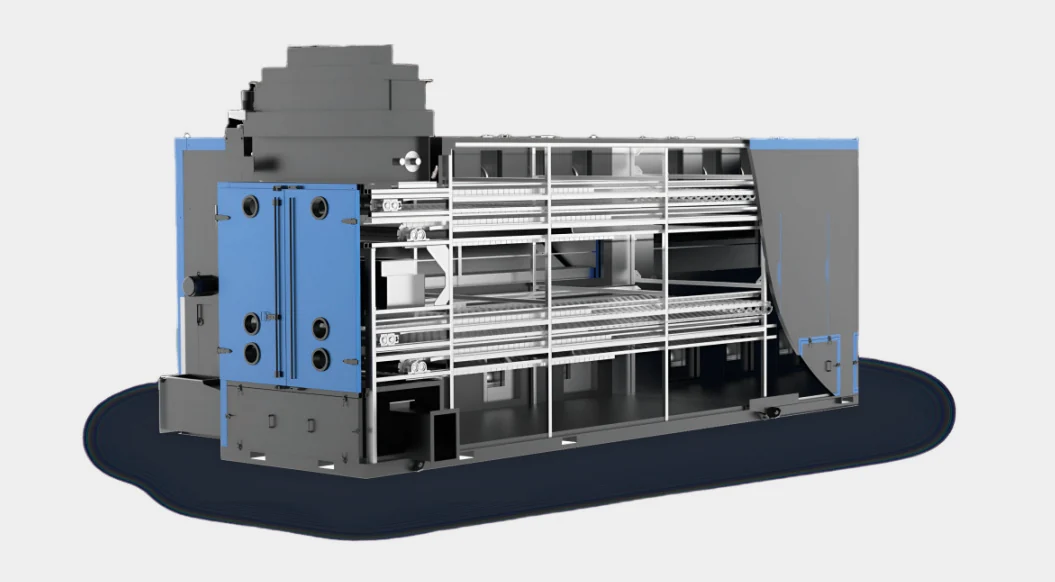
Compare the combined dewatering-and-drying cost rather than optimizing either unit in isolation. The HUADA catalogue includes both centrifugal dewatering and SDDR heat-pump drying concepts. Confirm the tested feed properties and energy balance before adopting any catalogue power range for the project.
Equipment context: supplied HUADA English catalogue, PDF pages 54–59. Numerical examples are illustrative calculations. Application guidance must be confirmed for the actual material and selected equipment.