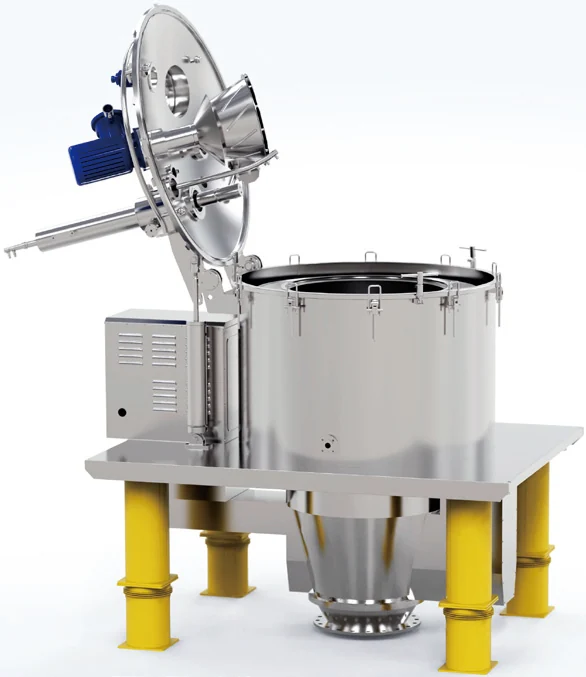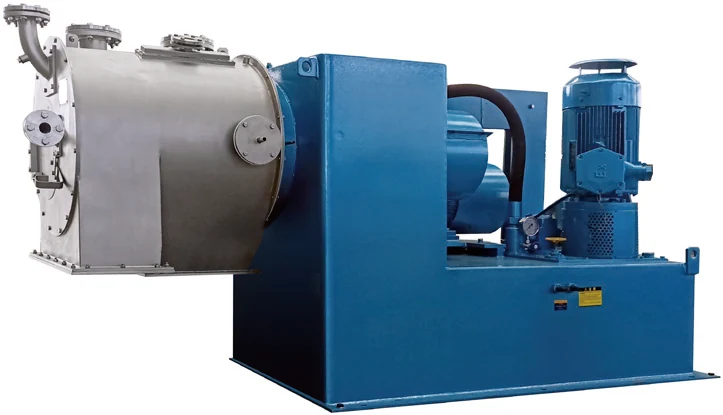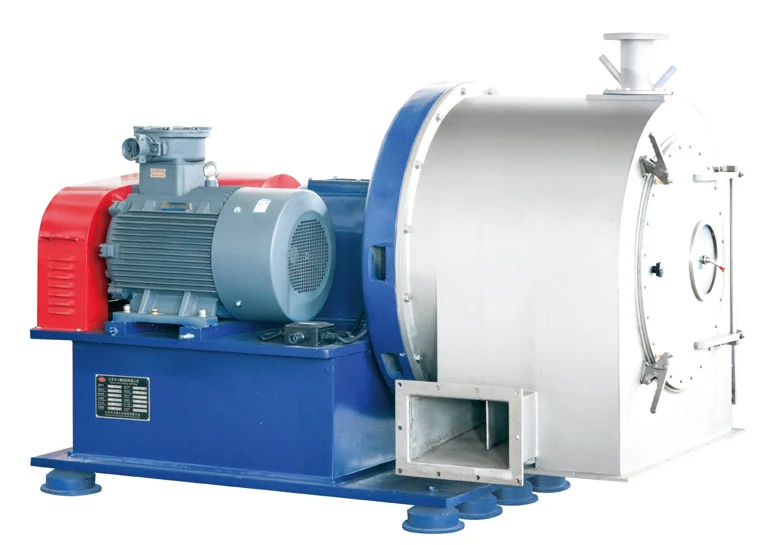
What matters in the process
For filter centrifuges, fines can migrate into cloth pores or form a low-permeability surface layer. A broad distribution may pack more tightly than a narrow one. In sedimentation, smaller particles generally have more difficulty separating within the available residence time. Agglomerates can break during pumping, so a sample taken before a high-shear transfer pump may not represent the feed actually reaching the centrifuge.
A practical example
A supplier may receive a sample with a median size of 100 µm, while an actual production upset introduces a substantial fraction below 10 µm. A trial performed only on the original sample can miss a clarity or filtration-rate problem. Reporting the fine fraction and its expected variation makes the test programme more representative.
What to check or specify
- Provide d10, d50 and d90 where available.
- Describe shape, fragility and any agglomeration.
- Record sample location and preparation method.
- Include expected fines generated by upstream pumping or crystallization.
Turn the result into a decision
Ask which particle-size range was present during each performance test. A screen aperture is not itself a guaranteed particle cut, because the retained bed changes during operation. Confirm solids recovery and product size after the complete feed, separation and discharge sequence.
Equipment context: supplied HUADA English catalogue, PDF pages 9–12, 35–47. Numerical examples are illustrative calculations. Application guidance must be confirmed for the actual material and selected equipment.