What matters in the process
The relationship is RCF = 1.118 × 10⁻⁵ × r × n², with radius r in centimetres and speed n in RPM. RCF rises linearly with radius and with the square of speed. The radius must correspond to the location being evaluated; nominal basket diameter, mean liquid radius and the outer cake surface are not interchangeable. Published maximum speed is a mechanical limit for a particular design, not a recommended setting for every product.
A practical example
At a radius of 400 mm, which is 40 cm, and 1,500 RPM, the calculated RCF is about 1,006 × g. Increasing speed by 10% increases RCF by 21%, while the material response may change differently. A more compact or fragile cake can react adversely even though the arithmetic predicts a higher acceleration.
What to check or specify
- Record the effective radius used in each calculation.
- Keep millimetres and centimetres distinct.
- Compare separation quality as well as calculated RCF.
- Use only speeds permitted for the actual machine and operating stage.
Turn the result into a decision
The website calculator is a comparison aid. It does not set operating limits, account for rotor stress or predict product quality. Supply the test machine geometry, speed profile and sample properties when asking to scale a result to a production centrifuge.
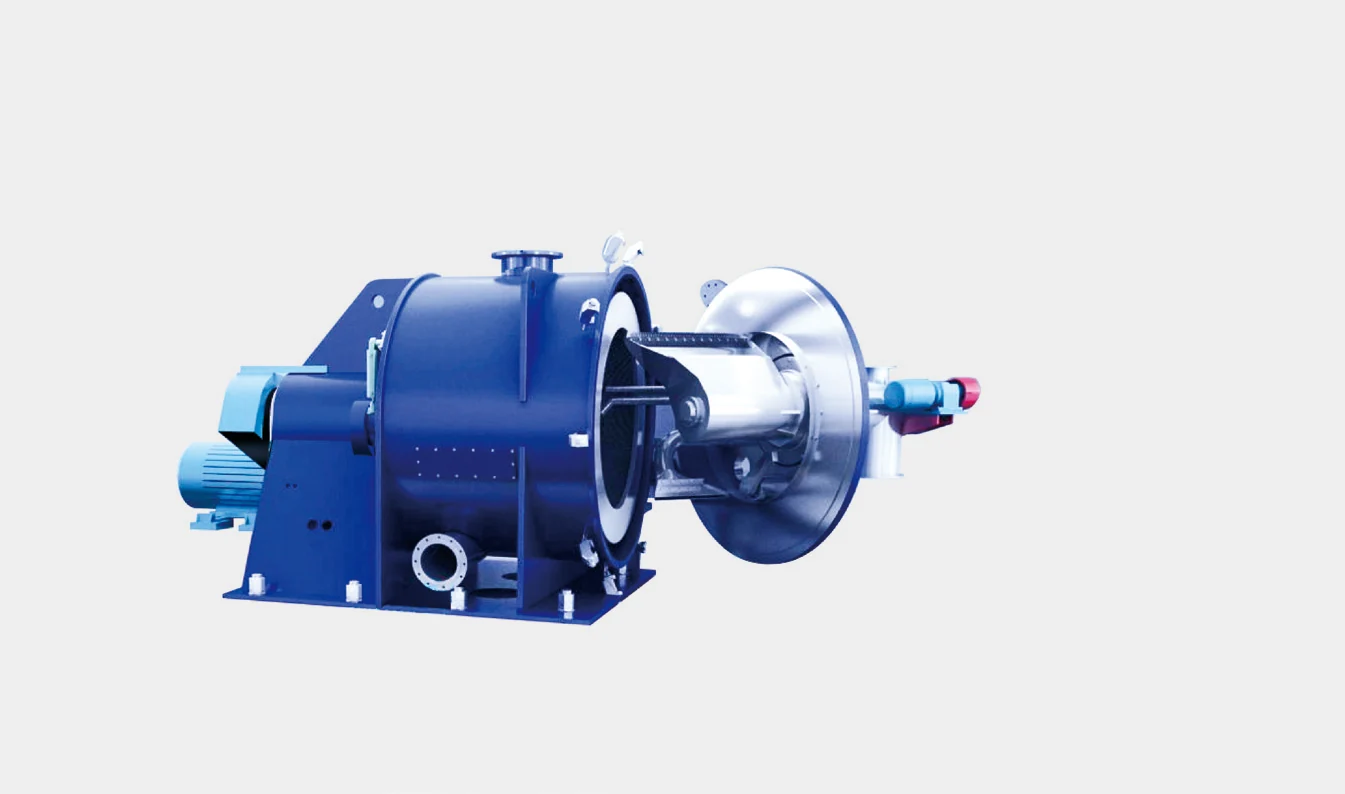
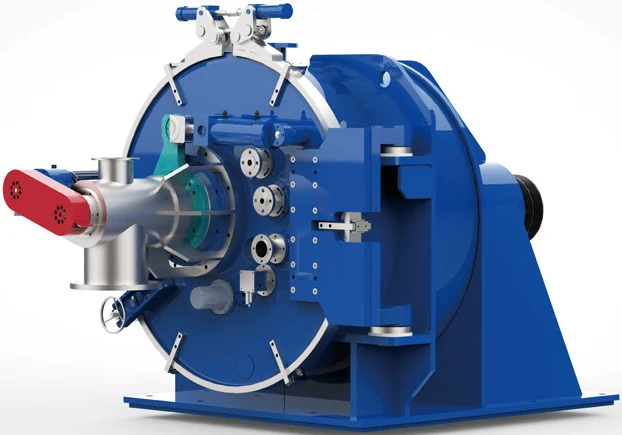
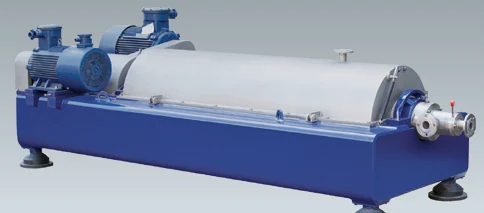
Equipment context: supplied HUADA English catalogue, PDF pages 9, 25, 31–35, 43. Numerical examples are illustrative calculations. Application guidance must be confirmed for the actual material and selected equipment.
Formula reference: Eppendorf rotor manual — RCF relationship.