What matters in the process
For a cake containing 20 kg of dry solids and 80 kg of water, wet-basis moisture is 80%, dry-solids content is 20%, and dry-basis moisture is 400%. Sampling also matters: the outside of a discharged pile may dry while the interior remains wetter. Volatile solvents complicate an ordinary loss-on-drying result because the mass loss may include more than water.
A practical example
Comparing 75% and 80% wet-basis moisture can look like a five-point improvement. At a constant 1,000 kg of dry solids, however, wet cake changes from 5,000 kg to 4,000 kg. That 1,000 kg reduction affects transport or drying load. The calculation is valid only if solids recovery remains the same.
What to check or specify
- Define wet basis or dry basis explicitly.
- Specify the sampling point and analytical method.
- Record solvent or volatile components separately.
- Compare moisture together with solids capture and throughput.
Turn the result into a decision
Include the agreed moisture basis in the RFQ, trial report and performance guarantee. Ask for representative composite samples over a stable operating period, rather than selecting the driest isolated sample. A balanced acceptance plan protects both product quality and the capacity objective.
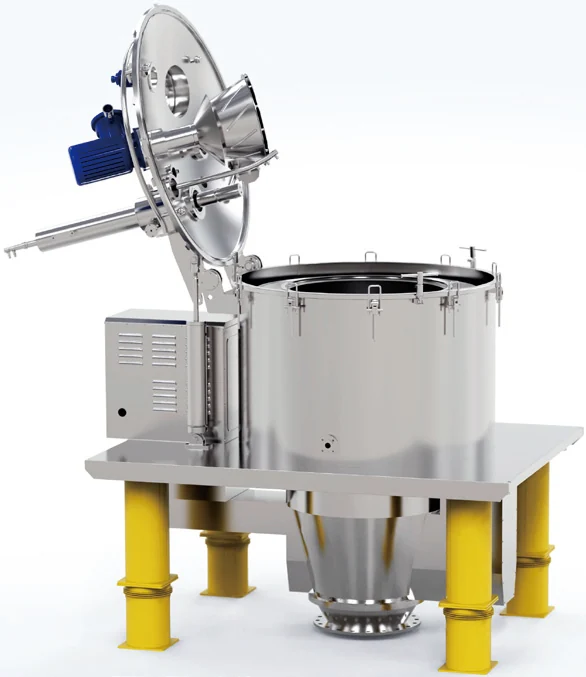
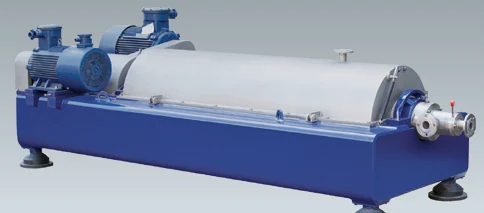
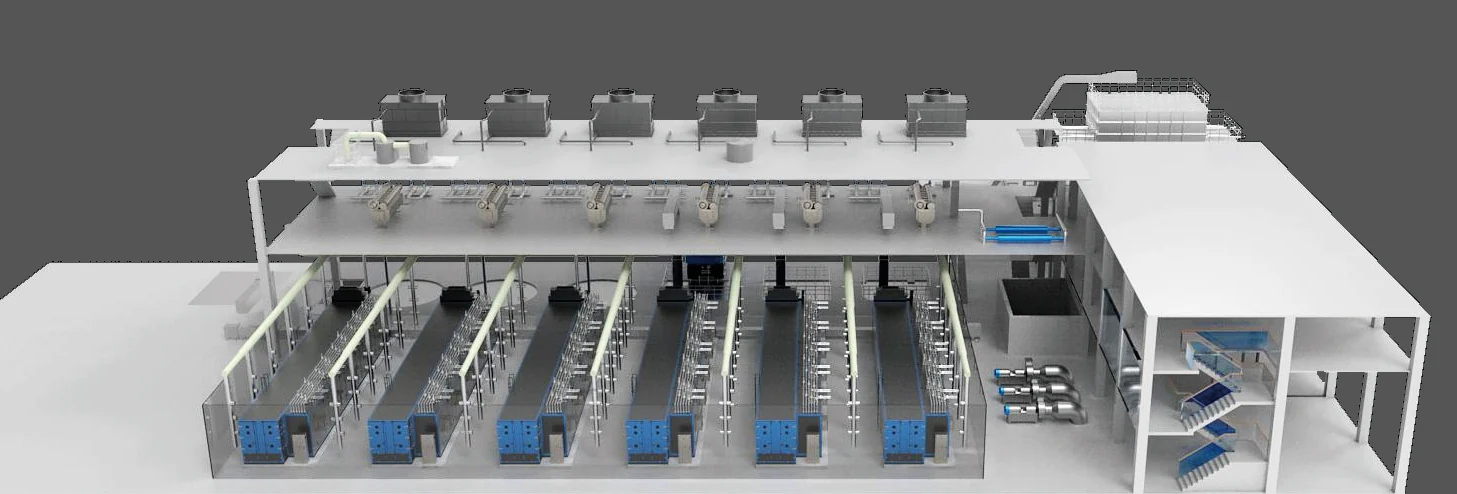
Equipment context: supplied HUADA English catalogue, PDF pages 9–12, 23–47, 56–59. Numerical examples are illustrative calculations. Application guidance must be confirmed for the actual material and selected equipment.