What matters in the process
The simplified average solids throughput is recovered solids per batch multiplied by batches per hour. The cycle must include transitions, cake release and any routine cleaning. Scheduled campaign cleaning and availability reduce the longer-term average further. A maximum mechanical loading value must not be substituted for the load actually permitted by the material density, cake thickness and separation recipe.
A practical example
If a process recovers 300 kg per batch and the complete cycle takes 20 minutes, the ideal cycle throughput is 900 kg/h. At 85% productive availability, the illustrative average becomes 765 kg/h. This arithmetic assumes each batch has the same performance and does not replace a material trial. A five-minute discharge delay would materially change the result.
What to check or specify
- List each cycle stage and measured duration.
- Use actual recovered solids, with a clear moisture basis.
- Include changeover, cleaning and expected availability.
- Check whether an upstream continuous flow requires buffer storage.
Turn the result into a decision
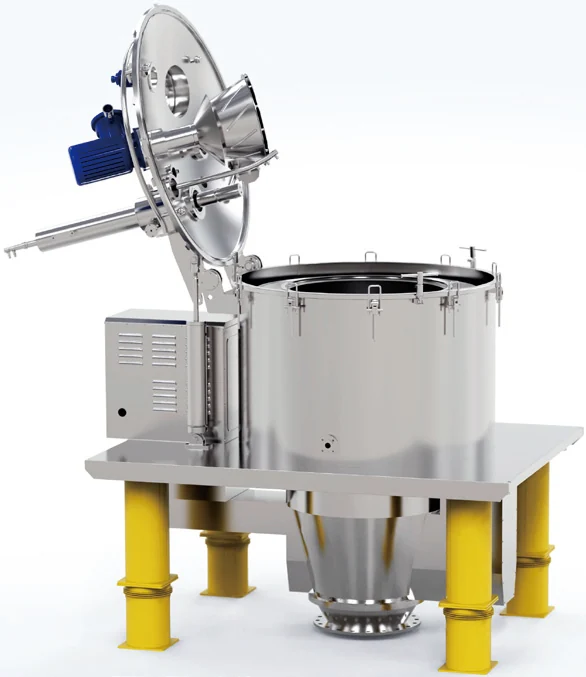
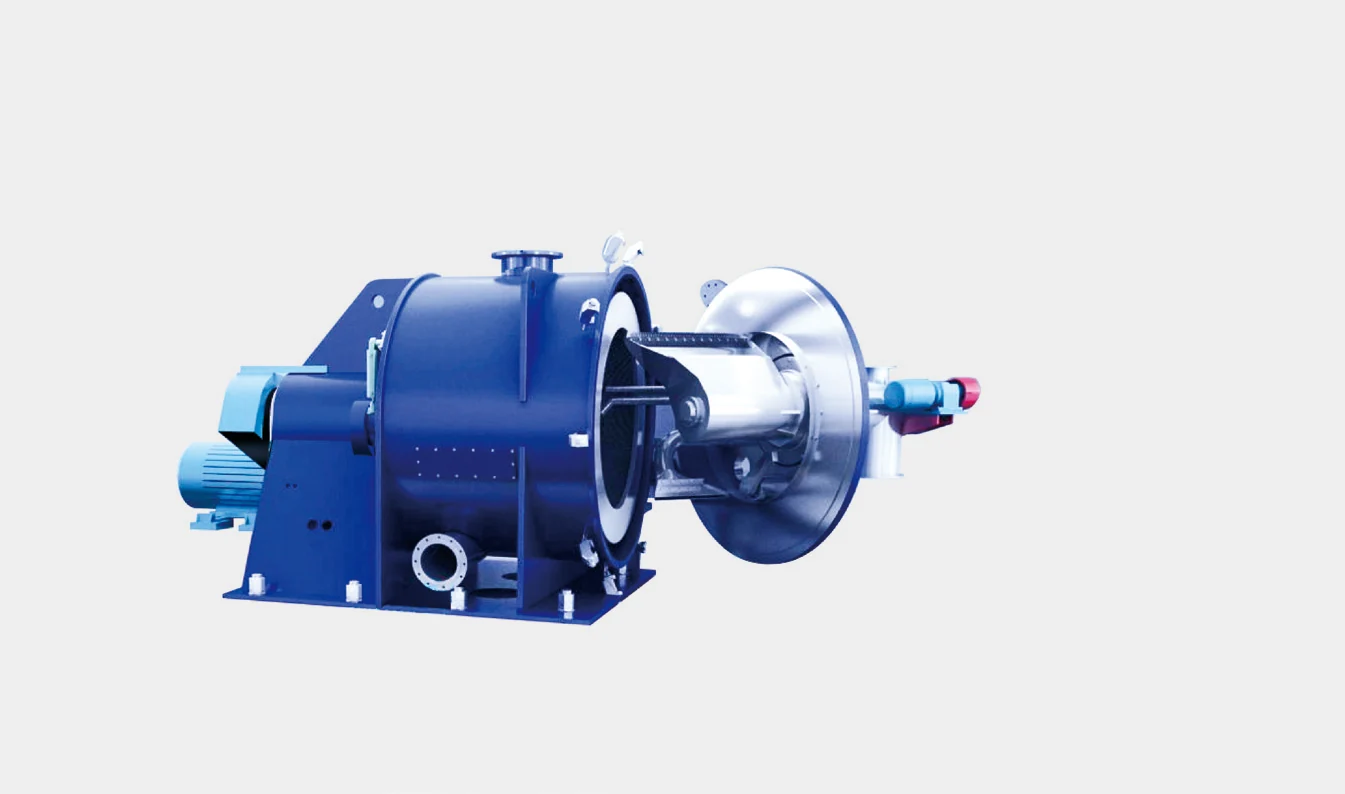
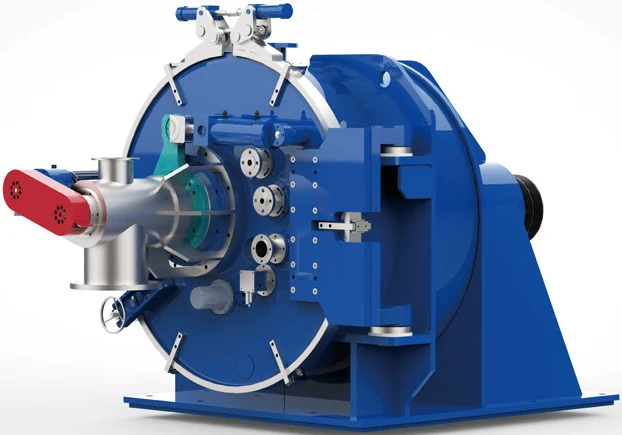
Compare proposed machines by a time chart and mass balance rather than by basket dimensions alone. PLD, GK, GKH, GKF and FW address different handling and cleaning needs; the fastest machine on one material may not be the fastest on another.
Equipment context: supplied HUADA English catalogue, PDF pages 23–35. Numerical examples are illustrative calculations. Application guidance must be confirmed for the actual material and selected equipment.